Sheets are a fundamental component of sleep environments, providing comfort, temperature regulation, and hygiene. The category covers a range of fabrics and weaves designed for breathability, softness, and durability, with attention to thread counts, finishes, and fiber content. Understanding material properties helps match sheets to mattress type, climate, and individual sensitivity to texture and allergens. Keywords: bedding, sheets, organic mattresses.
Common sheet materials include cotton, flax (linen), and blends, each offering different hydration and heat management characteristics. Linen sheets, for example, excel in moisture wicking and a relaxed, wrinkle-resistant finish, while cotton variants vary from short-staple percale to long-staple sateen, influencing feel and longevity. Selecting the right weave supports long-term comfort and usability with various bed setups.
Care and longevity are important considerations when evaluating sheets. Proper washing temperatures, drying cycles, and fabric softener usage can preserve softness, reduce pilling, and extend life. For households with sensitive skin or allergies, choosing breathable, low-irritant fibers and finishes can improve sleep quality and reduce irritants that accumulate in the bedding.
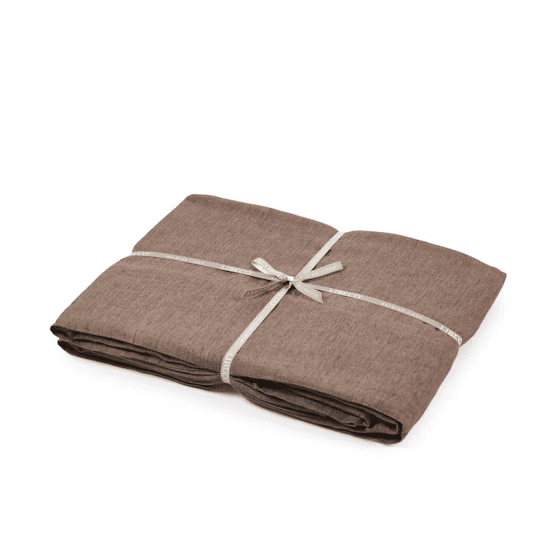
The Libeco Nottinghill Linen Sheets and Pillowcases exemplify the category’s emphasis on natural fiber performance and enduring aesthetics. Linen’s inherent strength and moisture management promote a cooler sleeping surface, while the fabric’s texture evolves with use, offering a casual, refined look. This pairing supports a balanced sleep environment and durable daily use.
Across sheets and toppers, understanding compatibility with adjustable beds and organic mattresses is key to achieving consistent comfort. Features such as fabric weight, elasticity, and corner pocket depth influence fit and performance. By considering these factors, sleepers can optimize sheet layering, pressure distribution, and overall sleep ergonomics in various room settings.
 Bedding